
 4 min read
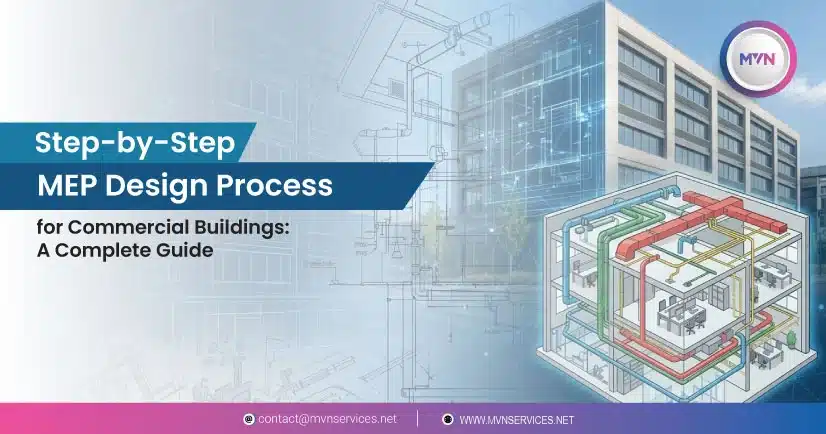
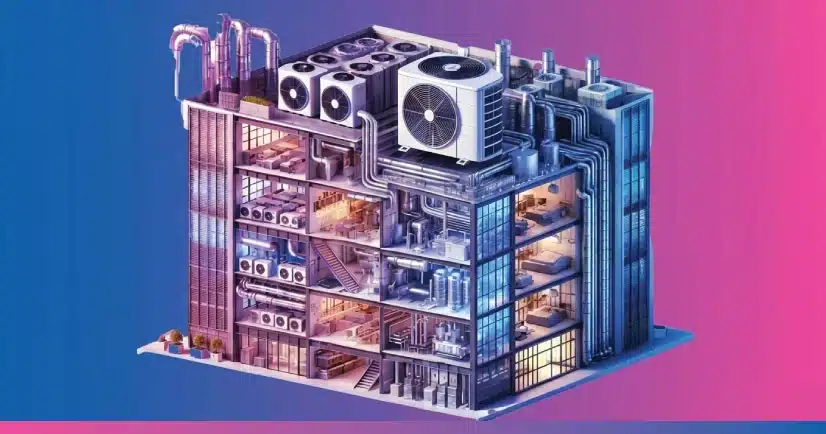
The MEP design process covering Mechanical, Electrical, and Plumbing systems is the backbone of any commercial building. From ensuring indoor comfort to maintaining safety and energy efficiency, MEP systems play a critical role in a building’s performance.
In commercial projects such as offices, hospitals, malls, and hotels, MEP design is far more complex than residential projects due to higher occupancy, stricter regulations, and advanced system requirements.
This guide walks you through the step-by-step MEP design process for commercial buildings, helping engineers, architects, and project stakeholders understand how to plan, design, and execute efficient MEP systems.
6 Step-by-Step MEP Design Process for Commercial Buildings
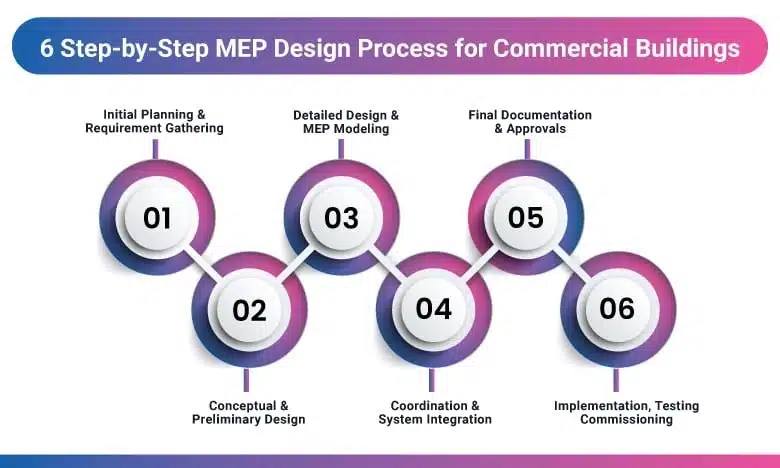
Step 1: Initial Planning & Requirement Gathering
The first stage sets the foundation for the entire MEP design process.
Understanding Client Requirements
- Building type (office, retail, hospital, etc.)
- Occupancy levels and usage patterns
- Sustainability goals (energy efficiency, green certification)
- Budget constraints
Reviewing Architectural & Structural Plans
- Analyze building layouts, floor plans, and elevations
- Identify space allocations for MEP systems
- Coordinate with architects and structural engineers
Site Survey & Analysis
- Evaluate site conditions and climate
- Check existing utilities (for renovation projects)
- Identify potential constraints
Step 2: Conceptual & Preliminary Design
This phase focuses on developing initial system layouts and selecting appropriate solutions.
Preliminary HVAC Design
- Perform cooling and heating load calculations
- Select HVAC systems (chillers, VRF, AHUs)
- Plan duct routing and equipment placement
Preliminary Electrical Design
- Estimate power requirements
- Plan transformer and generator capacities
- Create initial lighting layouts
Preliminary Plumbing & Fire Protection Design
- Design water supply and drainage systems
- Plan firefighting systems (sprinklers, hydrants)
- Estimate water demand and storage
Step 3: Detailed Design & MEP Modeling
This is the most technical stage, where precise calculations and detailed drawings are developed.
Mechanical System Design
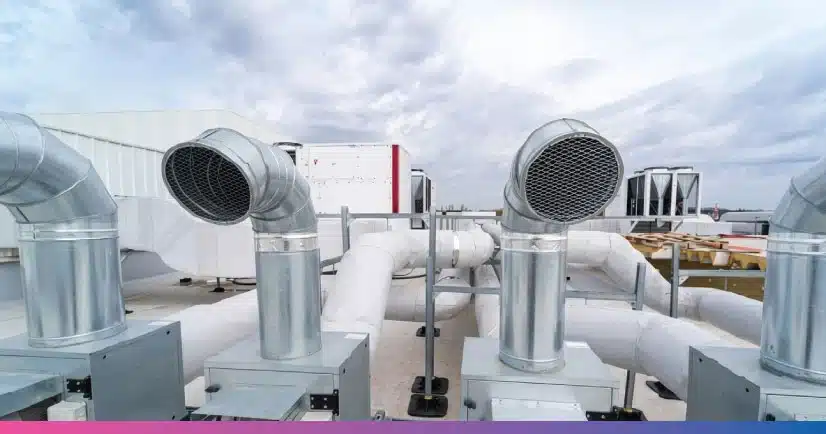
- HVAC duct sizing and layout
- Chilled water piping systems
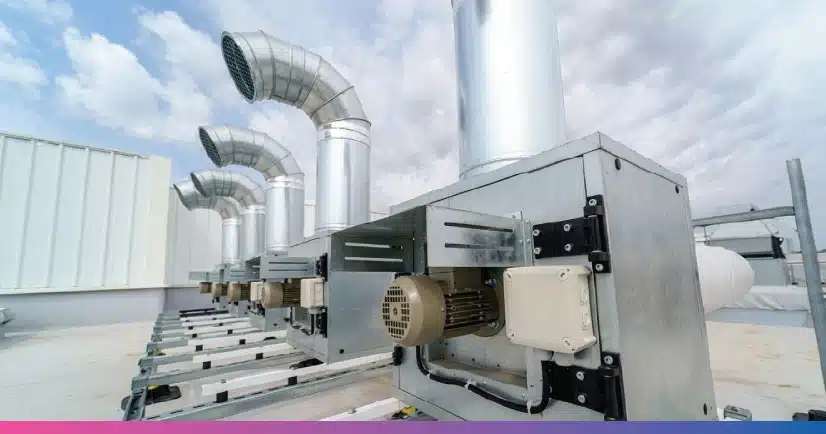
- Ventilation and exhaust systems
Electrical System Design
- Switchgear and panel board design
- Cable sizing and routing
- Lighting control systems
Plumbing System Design
- Pipe sizing and layouts
- Pump selection
- Drainage and sewage systems
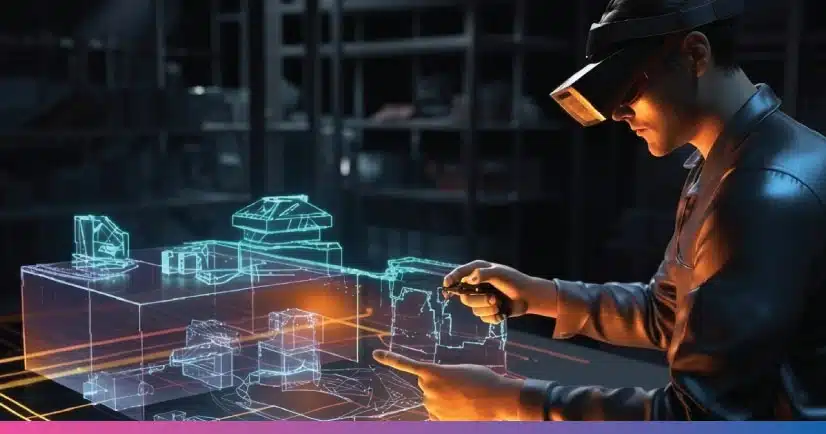
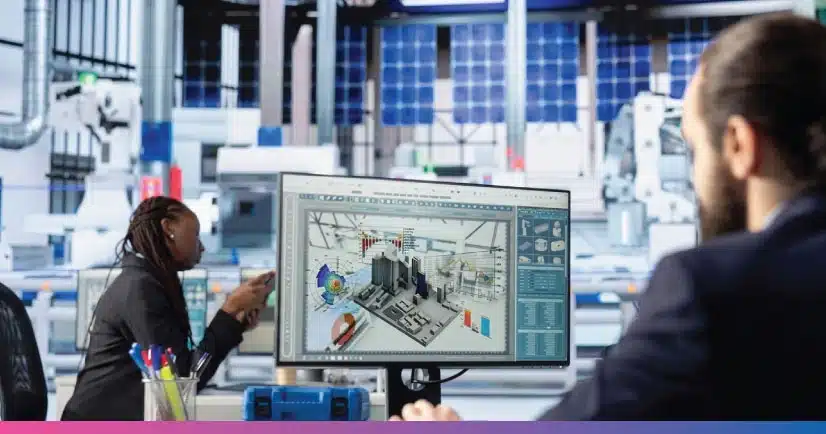
BIM Modeling & Clash Detection
- Create 3D models using BIM tools
- Detect clashes between MEP, structural, and architectural systems
- Optimize space utilization
Step 4: Coordination & System Integration
At this stage, all systems are integrated to ensure seamless operation.
MEP Coordination Meetings
- Collaborate with architects, engineers, and contractors
- Resolve conflicts between systems
Design Optimization
- Adjust layouts based on space constraints
- Improve system efficiency and cost-effectiveness
Energy Efficiency & Sustainability
- Implement energy-saving strategies
- Consider green building certifications (e.g., LEED)
- Optimize HVAC and lighting systems
Step 5: Final Documentation & Approvals
Once the design is finalized, detailed documentation is prepared for construction.
Construction Drawings
- Mechanical, electrical, and plumbing layouts
- Equipment schedules and specifications
Permits & Compliance
- Ensure adherence to local building codes
- Obtain necessary approvals from authorities
Cost Estimation
- Prepare Bill of Quantities (BOQ)
- Estimate material and labor costs
Step 6: Implementation, Testing & Commissioning
This phase ensures that the design is correctly executed on-site.
Installation & Supervision
- Coordinate with contractors
- Ensure systems are installed as per design
Testing & Commissioning
- HVAC system balancing
- Electrical load testing
- Plumbing pressure testing
Final Handover
- Provide operation manuals
- Train facility management teams
- Establish maintenance plans
Common Challenges in MEP Design
Even with a structured approach, challenges can arise:
- Space constraints and system clashes
- Incorrect load calculations
- Lack of coordination between teams
- Budget overruns
- Delays in approvals
Conclusion
The MEP design process for commercial buildings is a multi-stage workflow that requires careful planning, technical expertise, and strong coordination among all stakeholders.
From initial requirement gathering to final commissioning, each step plays a crucial role in ensuring that the building operates efficiently, safely, and sustainably.
By following a structured, step-by-step approach and leveraging modern tools like BIM, professionals can deliver high-performance commercial buildings that meet both functional and regulatory requirements.