
 3 min read
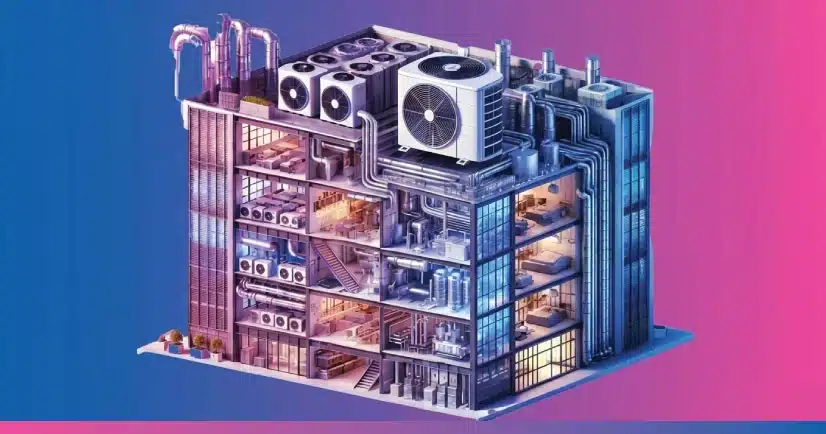
Variable Air Volume (VAV) systems are a critical part of modern HVAC design, especially for commercial projects across the United States. These systems improve energy efficiency, provide better zoning control, and adapt to varying load conditions in real time.
If you’re working on a USA-based project and looking to outsource MEP design services, understanding the right VAV system selection is essential for performance, compliance, and cost optimization.
What is a VAV System?
A Variable Air Volume (VAV) system controls indoor temperature by varying airflow while maintaining a relatively constant supply air temperature. Compared to traditional systems, VAV offers superior energy efficiency and flexibility—making it ideal for modern commercial buildings.
Most VAV system designs in the US follow standards such as ASHRAE and SMACNA to ensure compliance and performance.
Types of VAV Systems (With Practical Applications)
1. Single Duct Terminal VAV System
Overview:
A simple and widely used system where a single duct supplies conditioned air, and a terminal unit modulates airflow based on zone demand.
Advantages:
Energy-efficient operation
Simple design and maintenance
Ideal for basic zoning requirements
Limitations:
Limited temperature control
Less effective for highly dynamic loads
Best for:
Office spaces, small commercial buildings, and projects with stable load conditions.
2. Constant Volume Single Duct System
Overview:
Maintains constant airflow from the central unit while distributing air across zones.
Advantages:
Simple system design
Lower initial cost
Easy retrofit integration
Limitations:
Lower energy efficiency
Limited flexibility for varying loads
Best for:
Schools, small offices, and facilities with uniform load requirements.
3. Variable Volume Single Duct VAV System
Overview:
An advanced system that adjusts both airflow and system response based on real-time demand using sensors and controls.
Advantages:
High energy savings
Improved occupant comfort
Smart building compatibility
Limitations:
Higher initial investment
Complex controls and maintenance
Best for:
Large commercial buildings, hotels, and modern office spaces in the USA.
4. Single Duct VAV with Reheat
Overview:
Includes a reheat coil at the terminal to provide precise temperature control in individual zones.
Advantages:
Excellent comfort control
Suitable for critical environments
Limitations:
Increased energy consumption
Higher operational costs
Best for:
Hospitals, laboratories, and high-end commercial buildings where precision is critical.
5. Fan Powered VAV System
Overview:
Uses a fan within the terminal unit to maintain airflow and ventilation even during low demand conditions.
Advantages:
Better air distribution
Enhanced zone-level control
Efficient at part-load conditions
Limitations:
Higher installation cost
Maintenance requirements
Potential noise concerns
Best for:
Large commercial buildings, healthcare facilities, and complex layouts.
Why VAV System Design Matters for USA Projects
In the United States, HVAC systems must comply with strict energy codes and performance standards. Proper VAV system selection and design directly impact:
- Energy efficiency (IECC compliance)
- Indoor air quality
- Operating costs
- Long-term system performance
Poor design can lead to oversizing, energy waste, and occupant discomfort.
Outsource VAV System Design for Better Results
Outsourcing MEP design services for VAV systems can help US contractors and consultants achieve:
- Code-compliant designs (ASHRAE & SMACNA)
- Faster project delivery
- Cost-effective engineering solutions
- Accurate load calculations and duct sizing
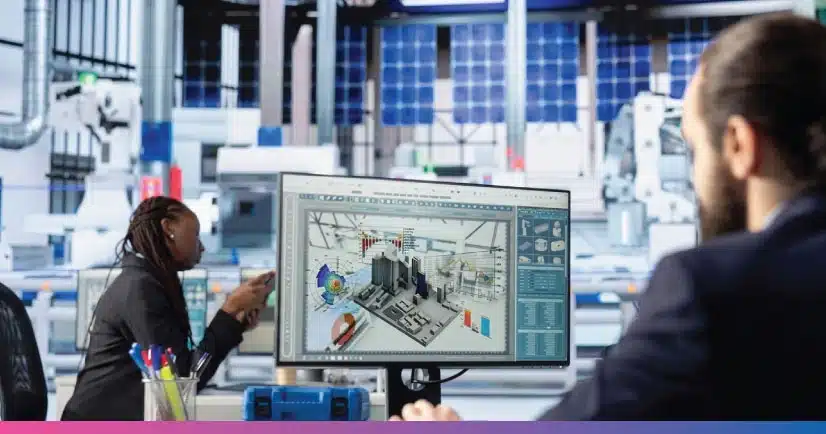
We support USA-based HVAC projects with detailed design, drafting, and coordination using tools like Revit and AutoCAD.
Get Expert MEP Design Support for Your USA Project
If you’re planning an HVAC system or need help selecting the right VAV configuration, our team can assist with end-to-end MEP design services tailored for US standards.
Conclusion
Choosing the right VAV system is essential for achieving energy efficiency, comfort, and compliance in modern HVAC design. Each system type offers unique advantages depending on the building type and application.
For USA-based projects, combining the right system selection with expert MEP design support ensures long-term performance and cost savings.