
 4 min read
Energy Efficiency: Transforming Modern Construction
Energy efficiency is transforming the way we design and manage properties, providing significant cost savings and environmental benefits. For both residential developments and commercial projects, adopting energy-efficient practices is not only a smart fiscal decision but also a responsible commitment to building a greener future. In this blog, we explore the benefits of energy efficiency and outline practical tips and strategies that project owners and developers can implement. From reducing energy consumption to enhancing property value, we demonstrate why energy-efficient solutions are crucial for modern construction and renovation projects, and how a customized efficiency audit can set the stage for long-term success.
Understanding Energy Efficiency and Its Benefits
Energy efficiency involves optimizing the use of energy in buildings to reduce consumption and waste while maintaining or improving performance. Whether in residential or commercial settings, energy-efficient building practices can significantly impact operating costs, environmental footprint, and overall asset value. By investing in energy-efficient technologies and strategies, project owners and developers not only achieve cost savings but also contribute to sustainable development and green building initiatives.
Key Benefits of Energy Efficiency
- Cost Savings: Reducing energy consumption directly lowers utility expenses, improving ROI and enhancing property market value.
- Environmental Impact: Reduces greenhouse gas emissions and dependence on non-renewable energy sources, contributing to a cleaner planet.
- Enhanced Comfort and Productivity: Maintains consistent indoor temperatures and reduces noise pollution, boosting occupant satisfaction.
- Regulatory Compliance and Incentives: Helps avoid retrofitting costs and benefits from rebates, tax incentives, and building code compliance.
- Future-Proofing Investments: Energy-efficient buildings remain competitive and appealing to environmentally conscious buyers and tenants.
Energy Efficiency in Residential Projects
Residential projects, whether new builds or renovations, benefit immensely from energy-efficient designs. Homeowners are increasingly aware of how energy-efficient strategies can lower monthly bills and enhance overall home quality.
Practical Tips for Improving Residential Energy Efficiency
- Upgrade Insulation and Windows: High-quality insulation and energy-efficient windows minimize drafts and maintain stable interior temperatures.
- Invest in Energy-Efficient Appliances: ENERGY STAR-rated appliances reduce energy consumption without sacrificing performance.
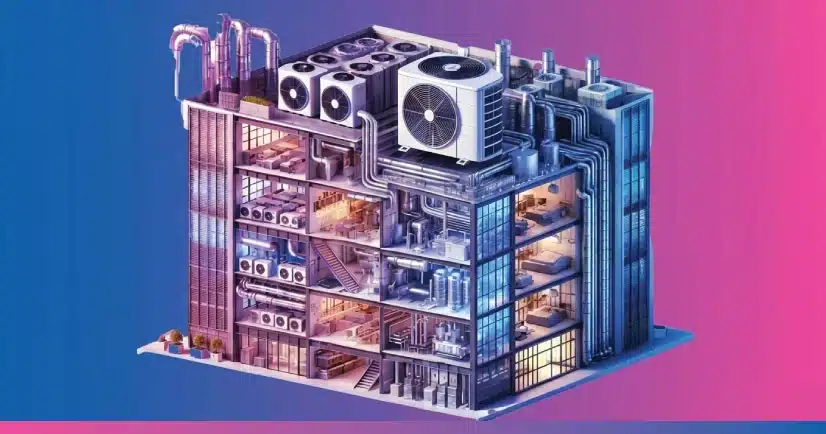
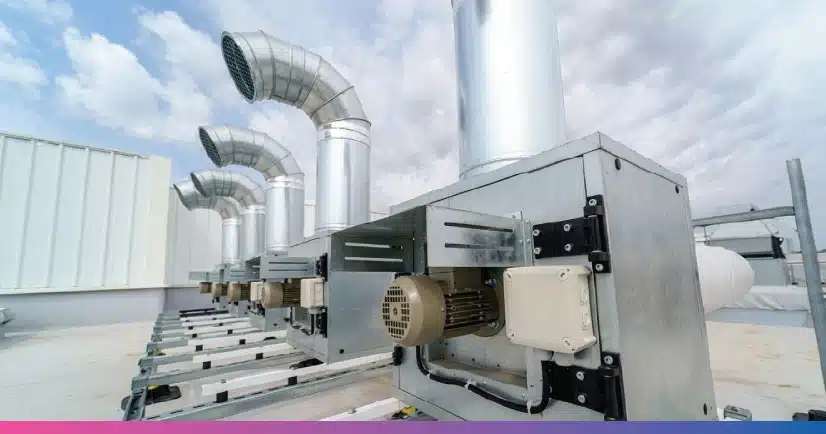
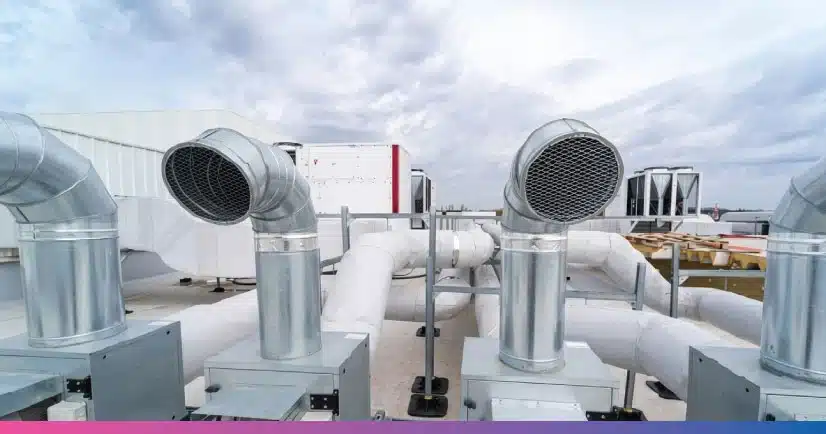
- Improve HVAC Systems: Upgrading to high-efficiency HVAC systems and maintaining proper ventilation lowers energy bills.
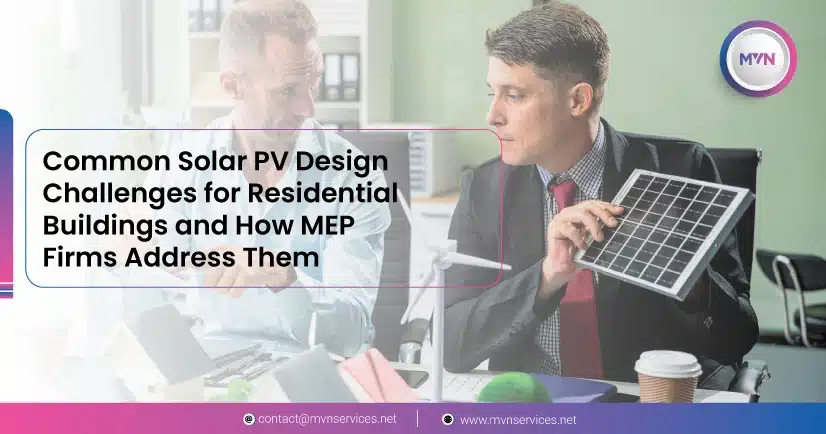
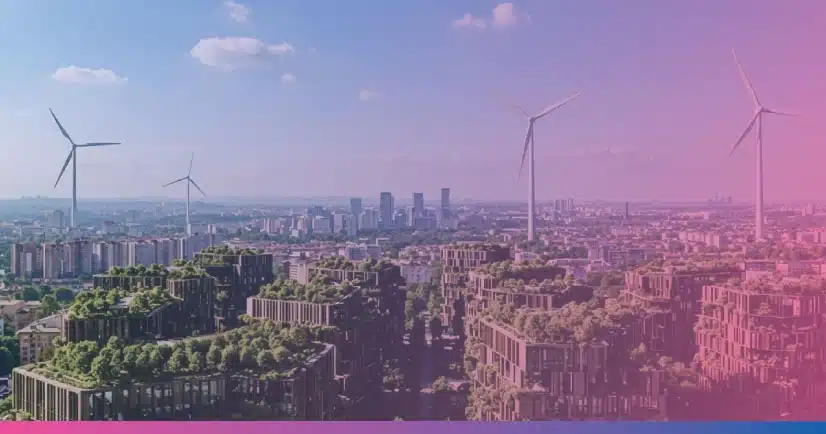
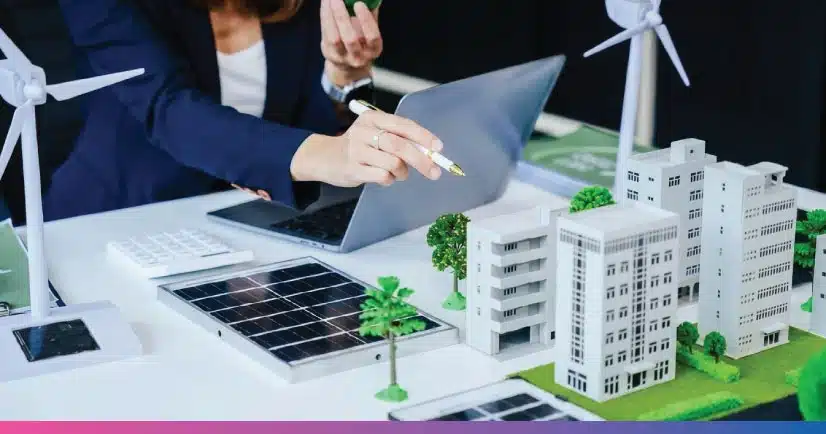
- Utilize Renewable Energy Sources: Solar panels and wind turbines reduce reliance on the grid while supporting sustainable energy practices.
Energy Efficiency in Commercial Projects
Commercial projects, such as office buildings, retail centers, and industrial properties, face unique challenges and opportunities when it comes to energy efficiency. Optimizing energy consumption attracts tenants, increases asset value, and reduces operating costs.
Practical Strategies for Commercial Energy Efficiency
- Conduct Energy Audits: Identify energy waste through customized efficiency audits to maximize returns on energy-efficient investments.
- Upgrade Lighting Systems: Switch to LED lighting, incorporate occupancy sensors, and implement daylight harvesting systems to reduce energy use.
- Install High-Performance HVAC Systems: Upgrade to efficient HVAC units and advanced controls to save energy and improve indoor air quality.
- Embrace Smart Building Technologies: Use integrated Building Management Systems (BMS) to monitor and optimize energy consumption in real time.
- Utilize Renewable Energy Solutions: Solar panels, geothermal heating, and on-site wind turbines reduce reliance on external energy sources and attract eco-conscious tenants.
Implementing a Green Building Strategy
Green building is more than a trend—it’s becoming the standard for environmentally responsible development. Energy efficiency is a pivotal component, driving both environmental and economic benefits. Developers who prioritize energy efficiency gain a competitive edge as governments tighten building regulations and offer incentives for sustainable construction.
Tips for Integrating Green Building Practices
- Design for Natural Ventilation and Lighting: Proper building orientation and window placement reduce the need for artificial lighting and air conditioning.
- Choose Sustainable Materials: Use materials with low environmental impact and recycled content to reduce the building’s carbon footprint.
- Focus on Long-Term Energy Management: Ensure designs include ongoing energy monitoring and management for future efficiency.
- Engage with Energy Efficiency Experts: Collaborate with specialists to identify the most effective solutions. Customized efficiency audits are an excellent starting point.
Maximizing Cost Savings Through Energy Efficiency
One of the biggest motivators for adopting energy-efficient practices is cost savings. Energy-efficient investments yield immediate reductions in operational costs and increase long-term property value. Savings from lower energy bills can be reinvested into further energy initiatives, mitigating rising energy costs and positioning projects as forward-thinking assets.
Energy efficiency also strengthens the financial case for investments or financing. Lenders and investors favor projects that proactively address future operating costs and regulatory challenges, making energy efficiency synonymous with fiscal resilience and competitiveness in today’s market.