AI-Driven HVAC Systems: Smarter Comfort and Energy Efficiency
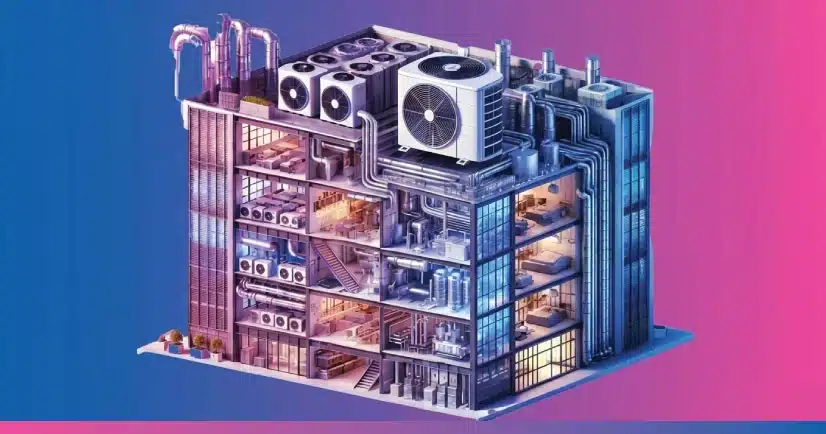
In today’s smart building ecosystem, energy-efficient HVAC systems are essential for balancing operational cost savings with indoor comfort. At
MVN Engineering, we explore how AI-driven HVAC controls—powered by real-time sensor data—are revolutionizing the way buildings manage heating, ventilation, and air conditioning. The result is enhanced comfort, lower energy bills, and smarter building performance.
Why AI-Driven HVAC Systems Matter
Traditional HVAC systems operate on fixed schedules or basic motion sensors, often resulting in energy waste and inconsistent comfort. AI-powered HVAC systems offer a more intelligent approach by analyzing live data from cameras, thermal sensors, and occupancy detectors to dynamically adjust HVAC output.By continuously optimizing performance, AI-driven HVAC systems help building managers:
- Improve HVAC energy efficiency
- Reduce operating and maintenance costs
- Enhance indoor environmental quality
Real-Time Occupant Monitoring Using Smart Cameras
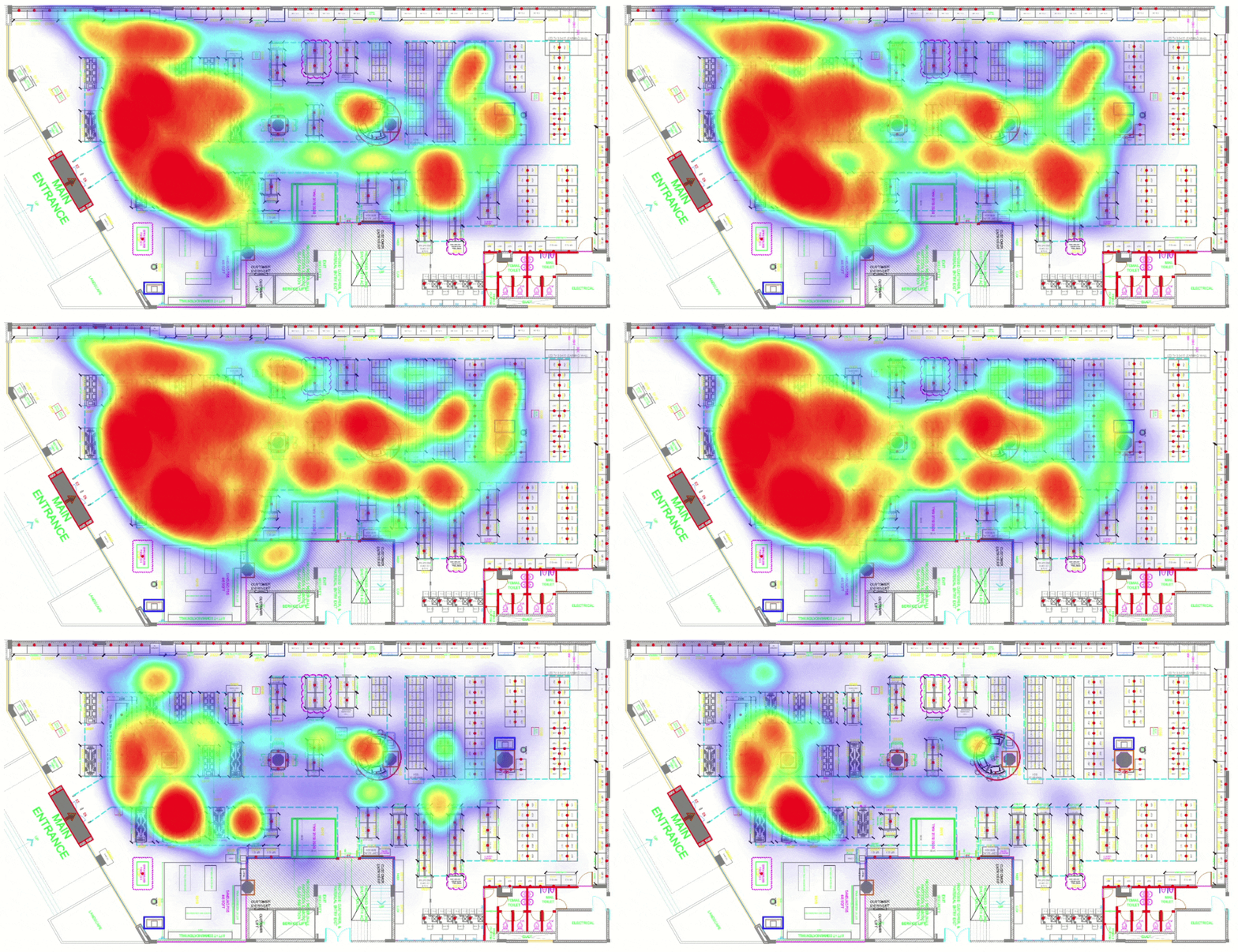
Advanced camera systems integrated into HVAC automation enable precise monitoring of occupant activity levels—not just occupancy presence. These smart sensors can distinguish between different space uses, such as a quiet office versus a high-traffic gym, and adjust airflow and temperature accordingly.This granular, occupancy-based HVAC control minimizes energy waste while ensuring consistent comfort across all building zones.
Equipment Heat Load Monitoring: The Hidden Energy Factor
Electronic devices such as computers, lighting systems, and mechanical equipment generate internal heat, known as equipment gain. Traditional HVAC systems often overlook this critical factor.AI-based HVAC controls integrate heat sensors and visual data to accurately measure internal heat loads, enabling:
- Smarter temperature regulation
- Reduced HVAC system strain
- Lower overall energy consumption
Thermal Envelope Monitoring with AI and Infrared Sensors
The thermal envelope—the boundary between a building’s interior and exterior—plays a vital role in energy efficiency. AI-powered systems use infrared sensors and thermal imaging to detect heat loss through windows, walls, and doors in real time.This capability supports:
- Optimized heating and cooling responses
- Real-time zone-based HVAC control
- Prevention of energy leakage
Key Features of AI-Based HVAC Control Systems
AI-powered HVAC platforms offer advanced capabilities that support intelligent building automation:
- Dynamic Zoning: Customized HVAC settings based on real-time occupancy and equipment heat data.
- Predictive Analytics: Forecasting HVAC demand using usage patterns and environmental trends.
- Data Integration: Aggregation of inputs from cameras, motion sensors, thermal devices, and environmental sensors.
- Self-Learning Algorithms: Continuous feedback loops that allow systems to improve over time.
Proven Energy Savings with Smart HVAC Systems
Real-world applications demonstrate the effectiveness of AI-integrated HVAC solutions:
- A commercial office building achieved a 20% reduction in energy use within one year using AI-driven HVAC controls.
- A university campus maintained occupant comfort across multiple zones while significantly reducing HVAC operating costs through thermal imaging and occupancy sensing.
The Future of Energy-Efficient HVAC Design
As IoT sensors, AI algorithms, and predictive modeling technologies evolve, HVAC systems will become even more adaptive and sustainable. Future developments are expected to include:
- Advanced indoor air quality monitoring
- Humidity and CO₂ level detection
- Weather forecasting and climate-adaptive controls
Conclusion: Smarter HVAC Starts with Smarter Data
The integration of AI with HVAC systems represents a transformative shift in how modern buildings manage energy, comfort, and operational efficiency. By leveraging real-time data from occupancy sensors, thermal imaging, and equipment monitoring, AI-powered HVAC systems can dynamically respond to changing conditions and optimize performance like never before.At MVN Engineering, we believe the future of HVAC lies in adaptive, intelligent systems that prioritize both sustainability and occupant well-being. Whether managing a high-rise commercial tower or a multi-zone facility, adopting AI-driven HVAC solutions is a strategic step toward greener, smarter building operations.Ready to Lead the Change?
Connect with our experts today to learn how MVN Engineering can help you design and implement energy-optimized HVAC systems powered by the latest AI technologies.


 4 min read