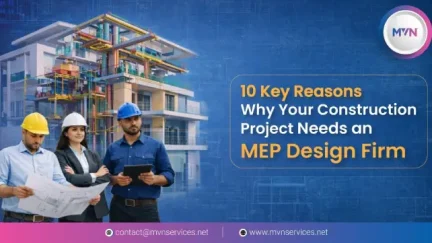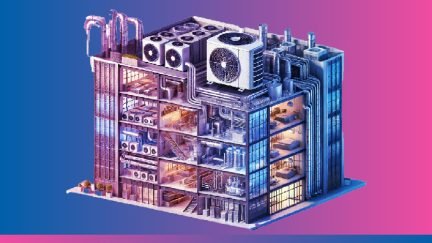
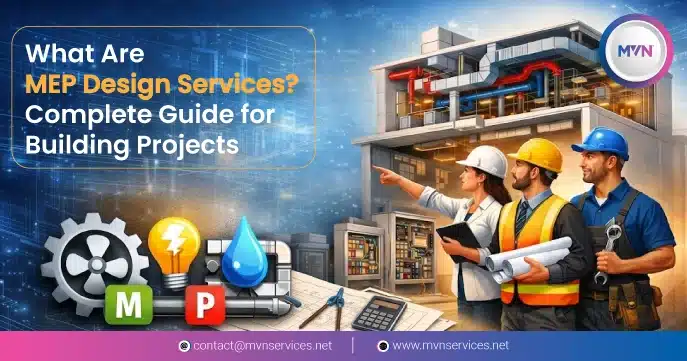
MEP design services are the backbone of any modern building project. They ensure that mechanical, electrical, and plumbing systems work seamlessly together, providing safety, comfort, and efficiency throughout the building. Whether it’s a high-rise office, a hospital, or a residential complex, properly planned MEP systems reduce construction errors, improve operational performance, and optimize energy usage.
What is MEP in Building Projects?
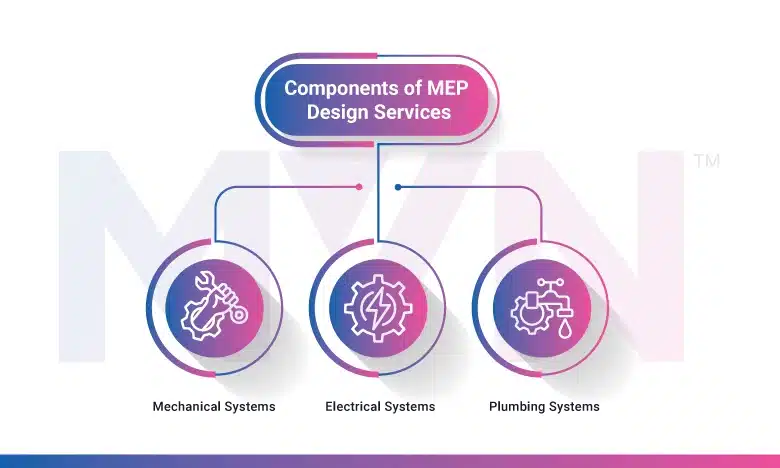
MEP stands for Mechanical, Electrical, and Plumbing, three critical systems that ensure a building functions efficiently:
- Mechanical systems: These include HVAC (heating, ventilation, and air conditioning), fire safety systems, and energy management.
- Electrical systems: This covers power distribution, lighting, fire alarms, and communication networks.
- Plumbing systems: Water supply, drainage, stormwater management, and gas pipelines are included here.
Together, these systems ensure that a building is functional, safe, and energy-efficient.
What Are MEP Design Services?
MEP design services involve planning, designing, and coordinating mechanical, electrical, and plumbing systems within a building project. Services include:
- System design based on building requirements and codes
- Integration with architectural and structural layouts
- Detailed drawings, load calculations, and specifications
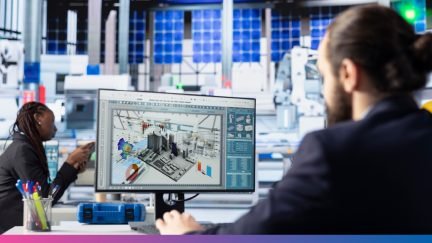
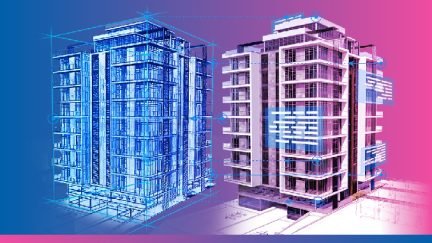
- BIM modeling and coordination with contractors
Professional MEP design services help prevent design clashes, reduce construction delays, and ensure compliance with safety and sustainability standards.
Components of MEP Design Services
Mechanical Systems
Mechanical systems focus on comfort, safety, and energy efficiency. Key components include:
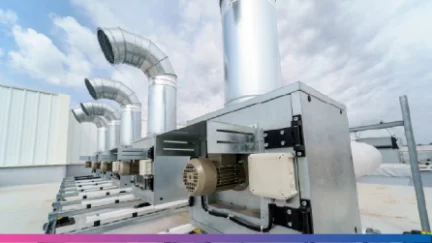
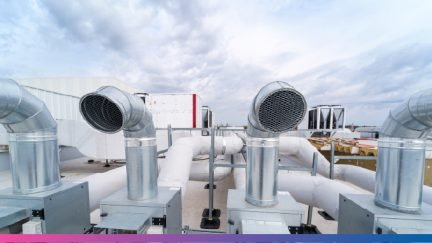
- HVAC systems: Heating, ventilation, and air conditioning
- Fire and smoke control systems
- Energy-efficient solutions
Example: Proper HVAC coordination in multi-story buildings prevents duct clashes and ensures consistent airflow.
Electrical Systems
Electrical design ensures reliable power and communication:
- Power distribution & backup systems
- Lighting and smart controls
- Fire alarms and communication networks
Example: Planning electrical loads in commercial buildings prevents overloading and ensures operational reliability.
Plumbing Systems
Plumbing design ensures safe water supply, drainage, and gas systems:
- Water supply & drainage
- Stormwater management
- Gas pipelines & fixtures
Example: Coordinating plumbing in high-rise buildings avoids leaks and drainage problems.
Importance of MEP Design
Professional MEP design is critical because it:
- Ensures safety and comfort for occupants
- Reduces operational and construction costs
- Improves energy efficiency and sustainability
- Minimizes errors and rework during construction
- Supports compliance with building codes
Proper MEP planning allows buildings to perform optimally while avoiding costly future modifications.
MEP Design Process (Step-by-Step)
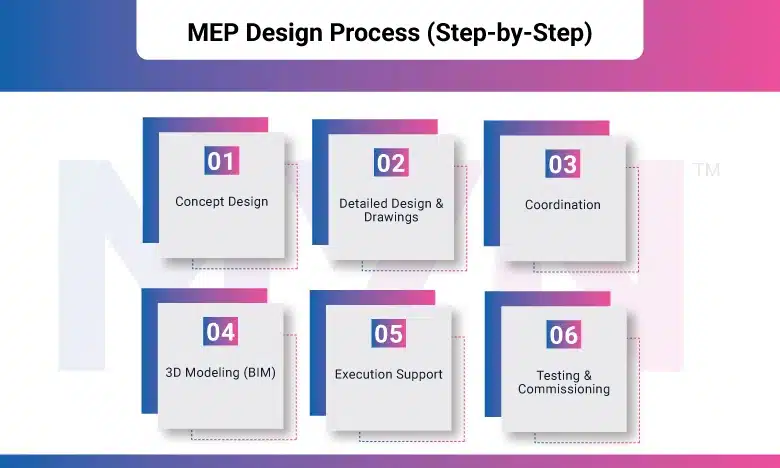
A well-structured MEP design process ensures efficiency at every stage:
- Concept Design: Establish project requirements and initial system layouts
- Detailed Design & Drawings: Create comprehensive plans with specifications
- Coordination: Align MEP systems with architects and structural engineers
- 3D Modeling (BIM): Visualize systems to prevent clashes
- Execution Support: Guide contractors during construction
- Testing & Commissioning: Verify that all systems operate correctly
Common Challenges in MEP Design
MEP projects often face hurdles such as:
- Space constraints: Limited areas for ducts, pipes, and conduits
- Coordination errors: Clashes between mechanical, electrical, and plumbing systems
- Budget limitations: Cost overruns due to design changes
- Code compliance: Meeting local safety standards
Benefits of Hiring Professional MEP Consultants
Hiring expert MEP consultants provides:
- Technical expertise in mechanical, electrical, and plumbing systems
- Reduced delays and cost overruns
- Compliance with codes and standards
- Energy optimization and sustainable design
- Seamless coordination with other disciplines
Professional consultants ensure that your building project runs smoothly from design to commissioning.
Conclusion
MEP design services are essential for the success of any building project. From mechanical, electrical, and plumbing systems to BIM modeling and coordination, professional design ensures safety, efficiency, and sustainability.