The construction and building services industry has seen a significant shift towards digitization, and one of the most transformative innovations in recent years is the rise of Digital Twin technology. For the MEP (Mechanical, Electrical, and Plumbing) domain, this advancement presents new opportunities to optimize building performance, enhance maintenance strategies, and deliver smarter, more sustainable infrastructure.This blog explores what Digital Twin software is, how it applies to MEP systems, and why it is becoming essential for modern engineering and facility management.
Understanding the Concept of a Digital Twin
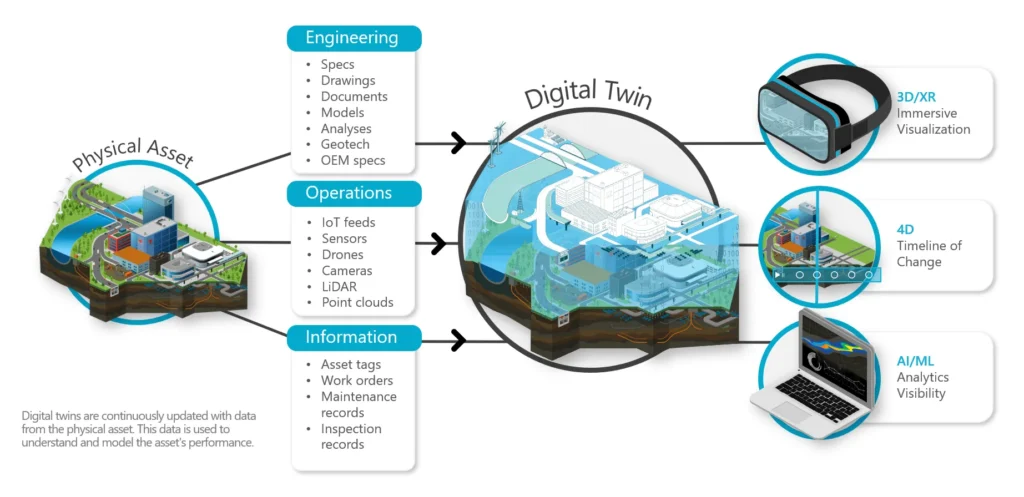
A Digital Twin is a virtual representation of a physical system or asset. Unlike static models or design files, a digital twin evolves in real time by integrating data from sensors, IoT devices, and building management systems. It mirrors the real-world conditions and behaviors of MEP systems—such as air flow, temperature, pressure, voltage, water usage, and energy performance.This digital replica allows engineers, facility managers, and owners to analyze, simulate, and predict the behavior of building systems in a safe and controlled virtual environment.
Role of Digital Twin in MEP Systems
In the MEP industry, the scope of a Digital Twin goes beyond visual modeling. It creates a live, interactive platform for monitoring and managing the complex interplay of mechanical, electrical, and plumbing components throughout a building’s lifecycle.Key applications include:
- HVAC Monitoring and Optimization
- Electrical Load Management
- Predictive Maintenance
- Water and Drainage Systems
- Fire Protection and Safety Systems
Integration with BIM and IoT
Digital Twin software often relies on Building Information Modeling (BIM) as a foundation. A BIM model provides the 3D geometry and component data, while the Digital Twin adds behavioral intelligence and real-time performance analytics.By combining BIM with data from IoT sensors and cloud-based platforms, engineers can create a synchronized and responsive digital ecosystem. This fusion allows users to view system performance on dashboards, run simulations, conduct energy audits, and even automate certain responses within the building.
Benefits of Digital Twin Software in MEP
- Real-Time System Visibility
- Improved Energy Efficiency
- Reduced Operational Costs
- Enhanced Decision-Making
- Lifecycle Asset Management
- Compliance and Sustainability Reporting
Leading Digital Twin Software for MEP
Several platforms have emerged with advanced capabilities tailored for the MEP and building services industry:
- Autodesk Tandem
- Bentley iTwin
- WillowTwin
- Siemens NX and MindSphere
- EcoStruxure by Schneider Electric
- Honeywell Forge
Future of MEP Engineering with Digital Twins
As the construction industry moves towards smart, connected, and sustainable buildings, the adoption of digital twin software in MEP is expected to rise rapidly. It supports not just efficient building operations but also long-term strategies for resilience, net-zero energy goals, and occupant well-being.By leveraging the power of digital twins, MEP engineers and building owners can gain unprecedented control over system performance—leading to smarter decisions, lower costs, and better outcomes across the building lifecycle.
Conclusion
Digital Twin technology is not just a trend—it is a strategic tool that is reshaping how buildings are designed, managed, and maintained. For MEP systems, it bridges the gap between design and operations, providing a seamless flow of data that enhances visibility, efficiency, and sustainability.Organizations investing in digital twin platforms today are positioning themselves at the forefront of intelligent building management for tomorrow.