
 4 min read

Daylighting Design: Creating Sustainable and Energy-Efficient Buildings
Daylighting design plays a crucial role in creating sustainable and energy-efficient buildings. By using natural sunlight to illuminate interior spaces, architects and engineers can reduce the need for artificial lighting, improve occupant well-being, and comply with California’s Title 24 Building Energy Efficiency Standards.
At MVN Engineering Services, we specialize in MEPF and BIM-integrated daylighting design. Our team helps developers, architects, and consultants achieve energy-efficient and visually comfortable spaces without compromising aesthetics or performance.
This article explores daylighting design for both residential and commercial projects in California, covering its principles, Title 24 compliance, key design strategies, and innovative technologies shaping the future of sustainable architecture.
What Is Daylighting and Why It Matters
Daylighting is the intentional use of natural sunlight to illuminate interiors. It involves careful design of windows, skylights, reflective surfaces, and shading systems to optimize daylight while reducing glare and heat gain.
Benefits of Daylighting
- Energy Efficiency: Reduces dependence on artificial lighting and lowers energy consumption.
- Health and Wellness: Supports natural circadian rhythms, enhances mood, and boosts productivity.
- Visual Comfort: Creates brighter, more inviting spaces with balanced illumination.
- Cost Savings: Decreases long-term operational expenses.
- Sustainability: Supports green certifications such as LEED and WELL.
Understanding Title 24 and Its Impact
California’s Title 24 Building Energy Efficiency Standards set the benchmark for sustainable design. These regulations ensure that buildings meet performance requirements for lighting, HVAC, and overall energy use.
Key Title 24 Sections Related to Daylighting
- Section 110.3: Performance standards for fenestration systems and energy compliance.
- Section 117: Guidelines for window efficiency, glazing, and daylight design.
- Section 140: Requirements for insulation, solar heat gain, and envelope performance.
Residential Daylighting Design in California
Homes require diverse lighting solutions depending on room type and orientation. A well-planned daylighting strategy enhances comfort, usability, and aesthetics while maintaining thermal balance.
Effective Daylighting Strategies for Homes
- Window Orientation: South-facing windows capture winter sunlight while limiting summer heat. Overhangs and shading devices help manage glare and thermal gain.
- Skylights and Light Tubes: Skylights bring natural light into interior zones, while tubular daylight devices (TDDs) direct sunlight into spaces with no exterior windows.
- Light Shelves and Reflective Surfaces: Light shelves distribute sunlight deeper into rooms. Combined with light-colored interiors, they can reduce artificial lighting needs by up to 20%.
- Smart Shading Systems: Motorized blinds or electrochromic glass can automatically adjust to changing light levels.
- Title 24 Compliance: Residential daylighting must meet performance standards outlined in Title 24, particularly for fenestration and insulation.
Commercial Daylighting Design for Energy Efficiency
In commercial spaces such as offices, retail stores, and institutions, daylighting impacts employee comfort, customer experience, and operational costs.
Core Principles
- Facade and Fenestration Design: High-performance glazing, shading systems, and double-skin facades can reduce glare while maintaining daylight penetration.
- Daylight Harvesting Controls: Lighting systems that adjust automatically based on daylight can reduce energy use by up to 40%.
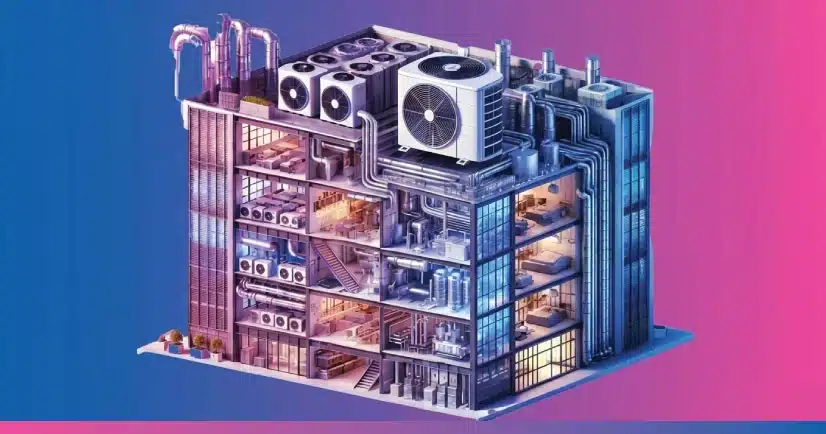
- HVAC and Daylight Coordination: Integrating HVAC load analysis with daylight simulations helps maintain thermal comfort while achieving compliance with Title 24.
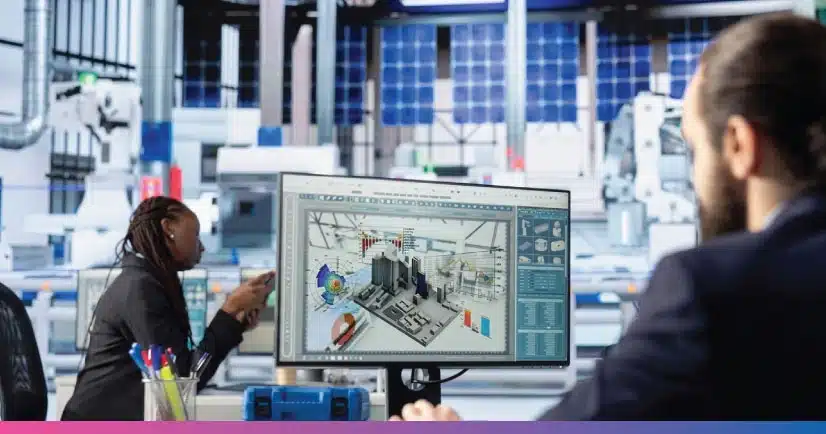
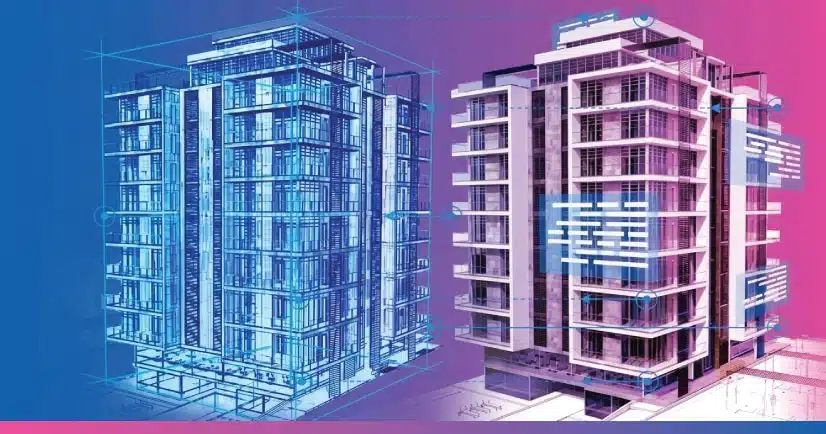
- BIM-Integrated Simulation: MVN Engineering uses BIM tools like Radiance, EnergyPlus, and Revit Insight for accurate daylight and glare simulations.
Case Studies
- Case Study 1: Northern California Residence: A modern farmhouse with south-facing glazing and reflective interiors achieved a 25% reduction in energy use.
- Case Study 2: Southern California Commercial Office: A LEED-certified building with smart glass and daylight controls achieved a 45% reduction in lighting energy use.
Tools and Technologies for Daylight Optimization
Simulation Software
- EnergyPlus and DOE-2 for performance modeling.
- Radiance for daylight distribution and glare studies.
- Autodesk Insight for real-time daylight visualization.
Innovative Materials
- Electrochromic glass that automatically adjusts tint levels.
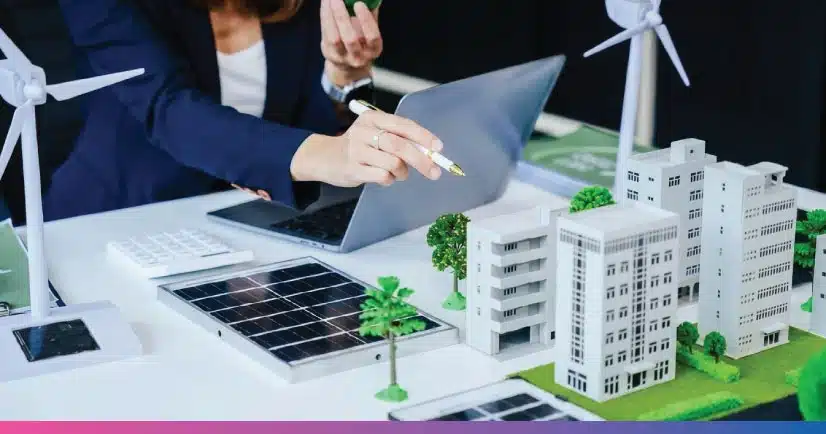
- Building-integrated photovoltaics (BIPV) combining energy generation with shading.
- High-reflectance coatings for deeper daylight penetration.
The Future of Daylighting Design
- Smart sensors that optimize lighting based on occupancy and sunlight levels.
- Dynamic facades that respond to sun movement.
- Cloud-based daylight modeling for precise analysis.
- Integration with ventilation and renewable systems for holistic sustainability.
Common Daylighting Challenges
Daylighting design requires balancing brightness, heat, and glare. Common challenges include excessive glare, overheating, and uneven illumination. These can be managed with proper glazing ratios, shading design, and automated lighting controls.
Why Choose MVN Engineering
MVN Engineering Services provides integrated daylighting solutions that combine BIM-based modeling, MEPF integration, Title 24 compliance support, and customized, human-centered design solutions for residential and commercial projects.
Conclusion
Daylighting is more than an architectural choice; it is a cornerstone of sustainable building design. Through advanced modeling, smart materials, and integrated MEPF coordination, MVN Engineering helps clients harness natural light effectively and responsibly. Our goal is to create buildings that are both energy-efficient and human-centered—spaces that feel as good as they perform.