
 3 min read
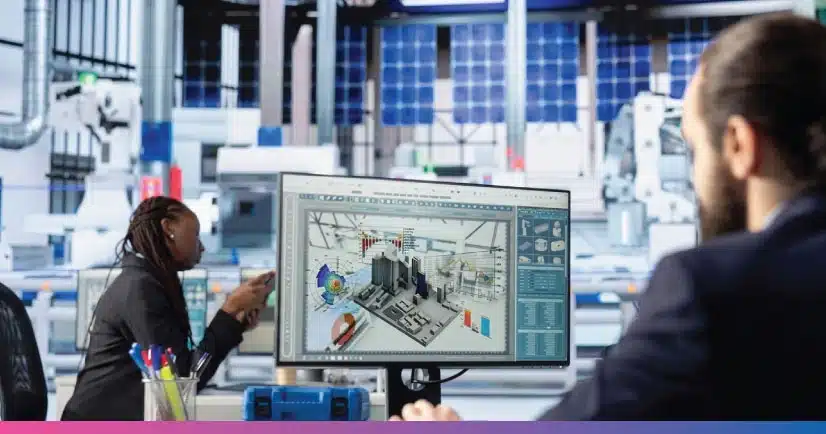
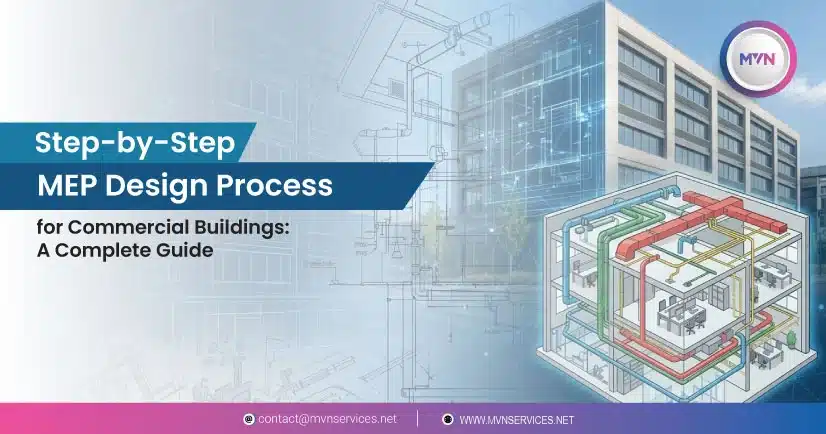
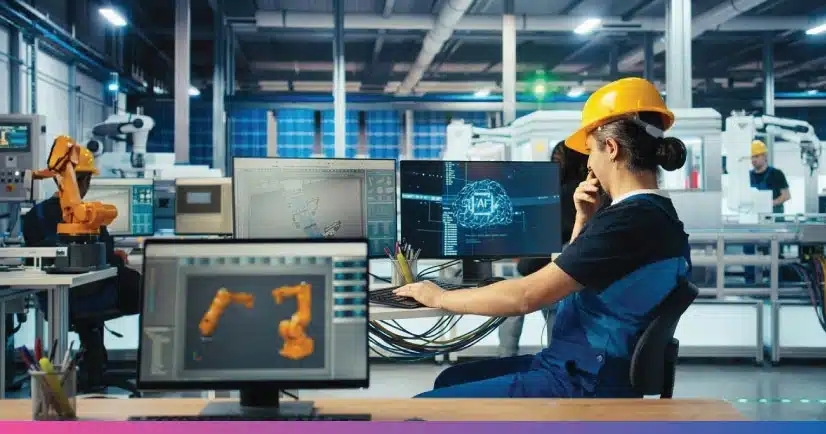
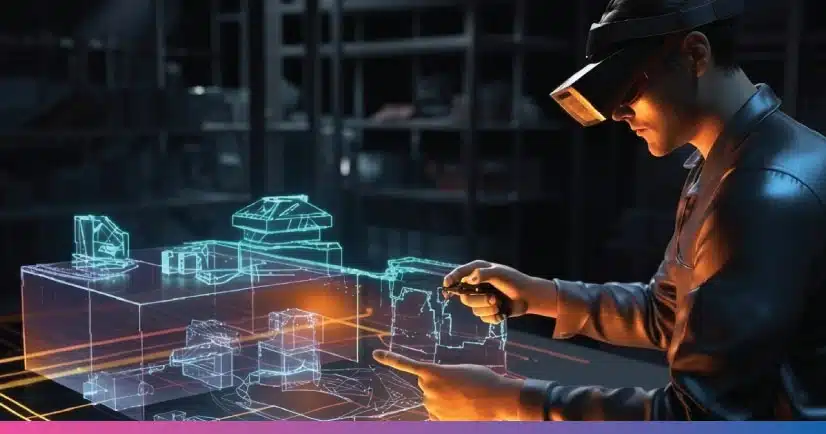
Modern building design is no longer just about aesthetics. Clients today expect energy-efficient buildings that are comfortable, cost-effective, and sustainable. For engineers, this means balancing performance, compliance, and innovation. That’s where Building Information Modeling (BIM) comes in. Once a tool for 3D visualization, BIM has evolved into a data-rich platform that supports design, engineering, and performance analysis. When integrated with energy simulation, BIM allows engineers to predict and optimize building performance before construction begins. 
What Is BIM for Energy Simulation?
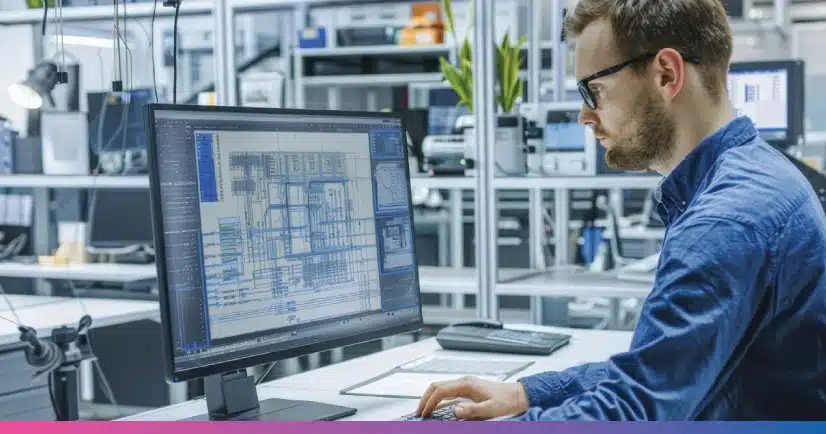
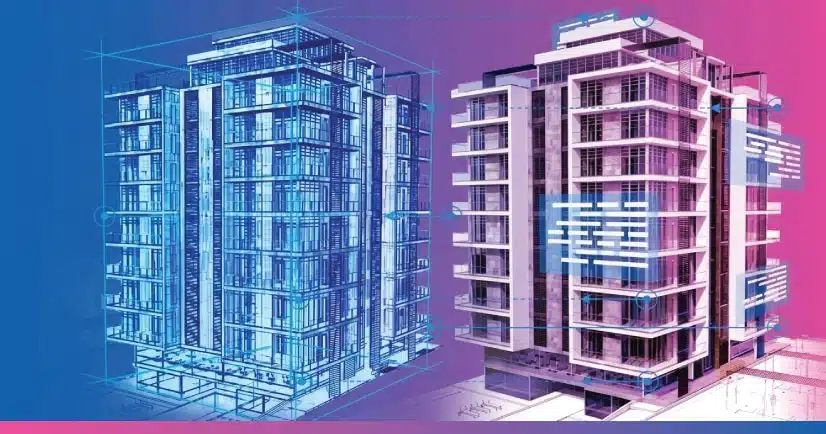
BIM for energy simulation combines a digital building model with advanced analysis tools to evaluate how design decisions impact energy performance. Engineers can analyze heating, cooling, lighting, and renewable energy strategies early in the design process. With BIM-based energy simulation, engineers can:
- Evaluate energy consumption during early design stages
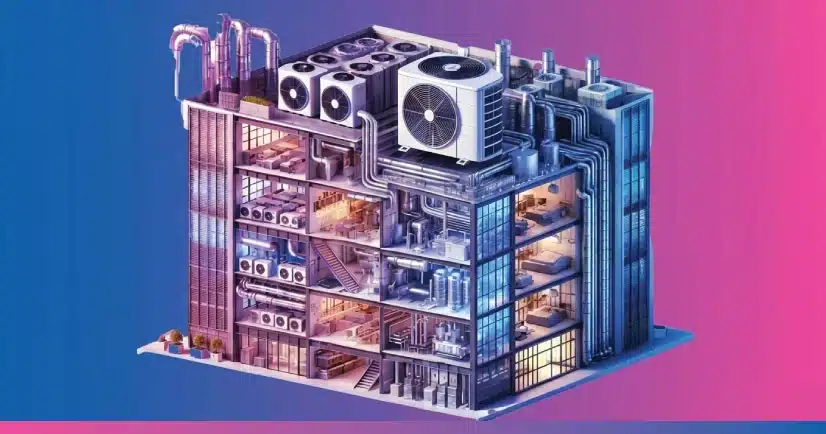
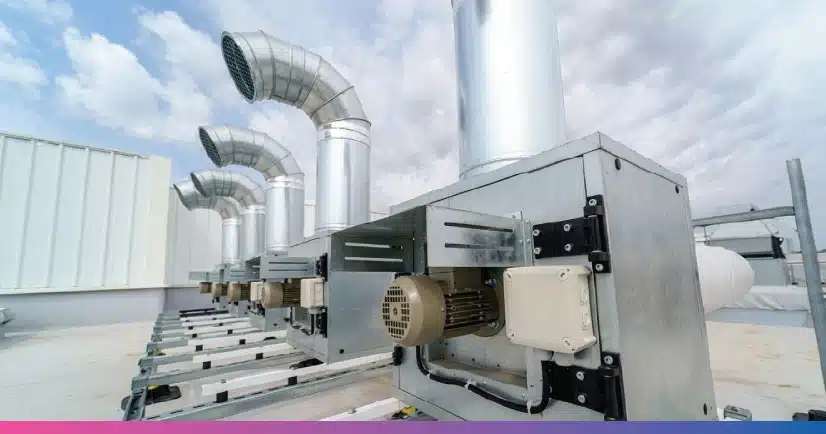
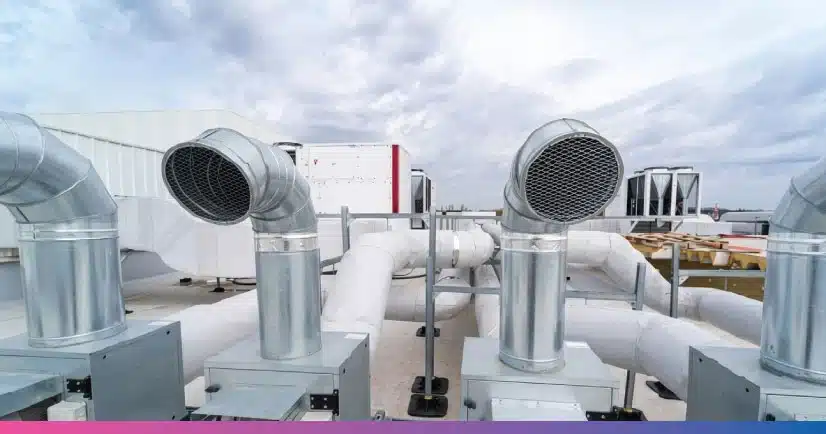
- Optimize HVAC and MEP systems for maximum efficiency
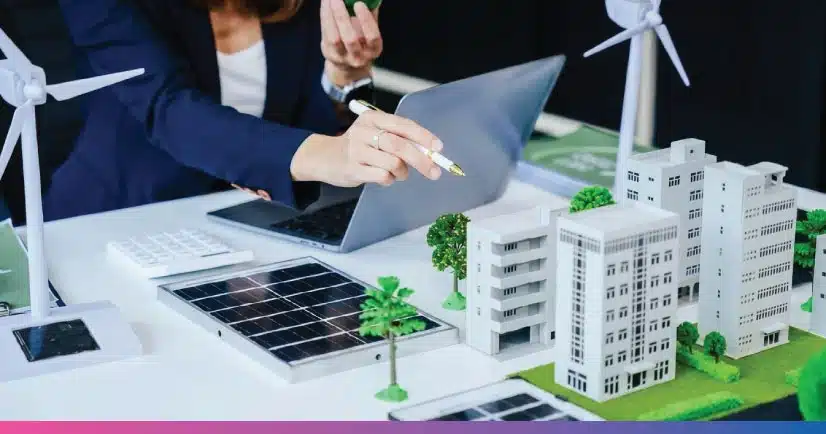
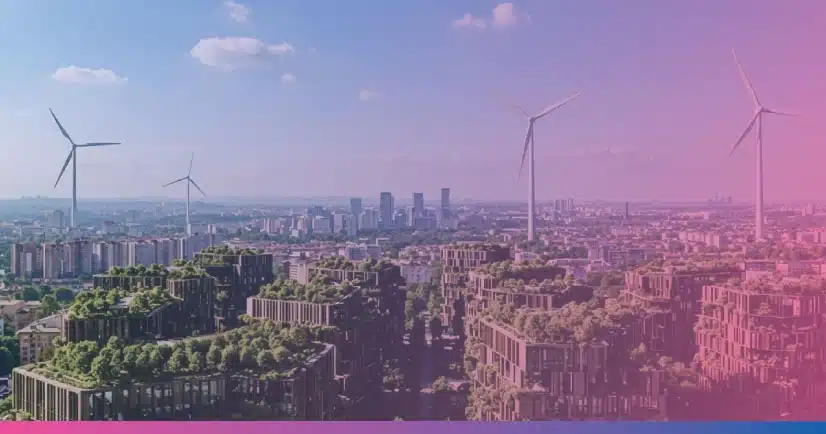
- Compare renewable energy options such as solar and geothermal
- Improve sustainability and reduce lifecycle operating costs
This approach enables data-driven decisions rather than assumption-based design, leading to smarter and greener buildings.
Why Engineers Should Use BIM for Building Performance
Energy simulation powered by BIM gives engineers a significant competitive advantage. Key benefits include:
- Early Insights: Evaluate building performance during conceptual and schematic design.
- Improved Accuracy: Detailed material, geometry, and system data increase simulation reliability.
- Higher Efficiency: Automated workflows reduce manual modeling errors.
- Sustainability Support: Facilitates compliance with LEED, IGBC, and other green certifications.
- Cost Savings: Identifies inefficiencies before construction, reducing long-term operating costs.
Real-World Applications of BIM in Energy Optimization
Corporate Office Project – 30% Energy Savings
A global corporate headquarters used BIM-based energy simulation to:
- Optimize facade design for daylighting and solar control
- Fine-tune HVAC systems for variable occupancy and climate conditions
- Integrate rooftop solar panels for renewable energy generation
The result was a 30% reduction in energy consumption compared to conventional design approaches.
University Retrofit – Smarter Energy Use
For an aging campus building, engineers developed a BIM-based digital twin and conducted performance simulations. This analysis revealed thermal losses and outdated HVAC systems. Targeted retrofits significantly reduced energy use while extending the building’s lifespan.
Challenges Engineers Face
While BIM for energy simulation is powerful, engineers may encounter challenges such as:
- Data Accuracy: Reliable simulations depend on detailed material properties and system inputs.
- Software Compatibility: Ensuring seamless integration between BIM and energy analysis tools.
- Computational Load: Complex simulations may require cloud-based or high-performance systems.
Addressing these challenges allows engineers to fully unlock BIM’s potential for performance optimization.
Future of BIM and Energy Simulation
The integration of BIM with energy modeling continues to evolve rapidly. Key trends shaping the future include:
- AI and Machine Learning: Automated design recommendations based on historical performance data.
- IoT and Digital Twins: Real-time building data feeding back into BIM for continuous optimization.
- Generative Design: Rapid testing of thousands of energy-efficient design options.
These innovations will help engineers design adaptive, resilient, and highly sustainable buildings.
How Engineers Can Get Started
- Run energy simulations from the conceptual design stage
- Train teams in BIM and energy analysis tools
- Use pilot projects to validate workflows before scaling
- Collaborate closely with architects, MEP engineers, and sustainability consultants
Conclusion
At MVN Engineering, we believe BIM is more than a design tool—it is a performance optimization engine. By integrating BIM with energy simulation, engineers can:
- Improve occupant comfort
- Reduce energy consumption and operating costs
- Support renewable energy integration
- Meet and exceed sustainability targets
The future of building design is digital, data-driven, and sustainable. Engineers who embrace BIM-driven energy simulation will lead the way in creating high-performance, future-ready buildings.