
 5 min read
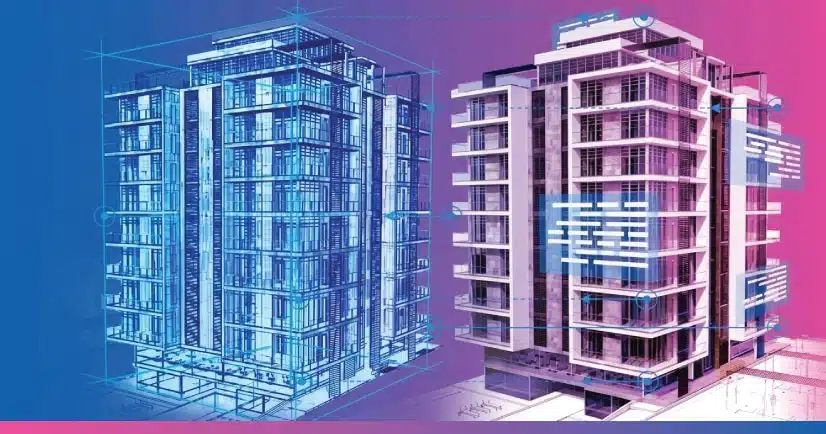
The Architecture, Engineering, and Construction (AEC) industry is in the middle of a digital revolution. For decades, architects, engineers, and contractors have relied on technology to enhance efficiency, improve collaboration, and deliver higher-quality projects. From the early days of computer-aided design (CAD) to today’s Building Information Modeling (BIM) platforms, technology has continuously redefined what’s possible.
Now, the convergence of Artificial Intelligence (AI) and BIM is unlocking new opportunities that are reshaping the way we design, build, and manage infrastructure. Together, AI and BIM are setting the foundation for smarter cities, more sustainable projects, and an industry that is more resilient and efficient than ever before.
This blog explores in detail how AI is transforming BIM, the benefits it brings to stakeholders, challenges in adoption, and what the future holds for the AEC industry.
The Evolution of BIM in AEC
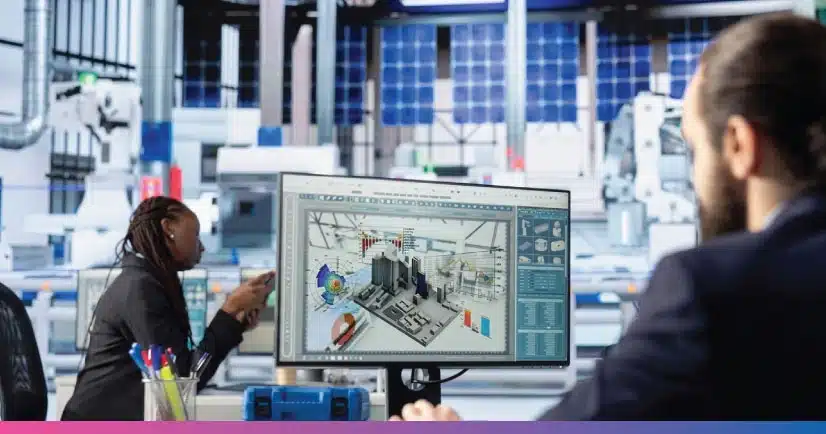
When BIM first emerged, it was primarily used for creating 3D digital representations of buildings. But today, it has grown into a multidimensional digital platform that integrates:
- Geometric data (3D models)
- Cost data (5D BIM)
- Time/scheduling data (4D BIM)
- Sustainability metrics (6D BIM)
- Lifecycle management data (7D BIM)
This expansion allows all stakeholders—designers, engineers, contractors, and facility managers—to collaborate using a single source of truth. BIM reduces conflicts, accelerates design reviews, and improves project efficiency.
However, as projects grow more complex, even the most advanced BIM models face challenges in managing massive volumes of data. That’s where AI becomes a game-changer.
The Role of AI in BIM
Artificial Intelligence refers to machines that can analyze, learn, and make predictions from data. In the AEC industry, AI takes BIM beyond static modeling by:
- Automating repetitive tasks (such as clash detection, cost estimation, and report generation)
- Enhancing decision-making with real-time data insights
- Forecasting risks and delays before they occur
- Improving collaboration through AI-powered assistants and automated data extraction
In short, AI augments BIM’s capabilities, allowing professionals to work smarter, not harder. AI analyzes historical and live data to forecast risks, fine-tune schedules, and highlight potential resource shortages before they disrupt projects.
Key AI Technologies Enhancing BIM
Machine Learning (ML) and Predictive Analytics
- Learns from historical project data to predict potential delays, safety risks, or maintenance needs.
- Helps contractors optimize resource allocation by analyzing site conditions and productivity data.
- Provides predictive maintenance for building systems, extending asset lifecycle.
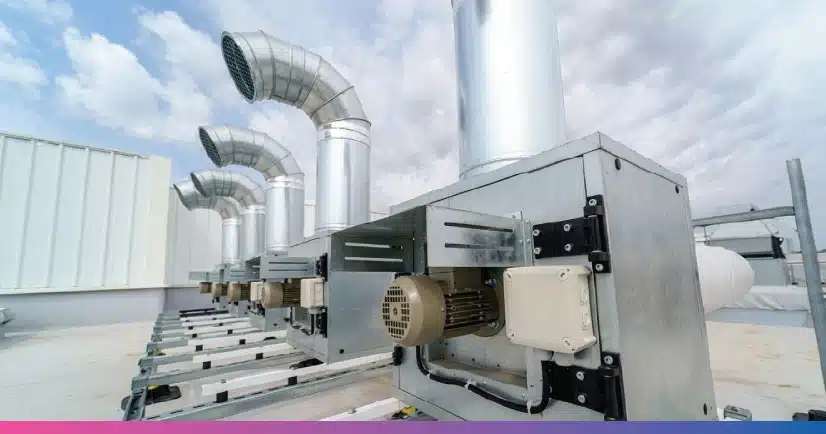
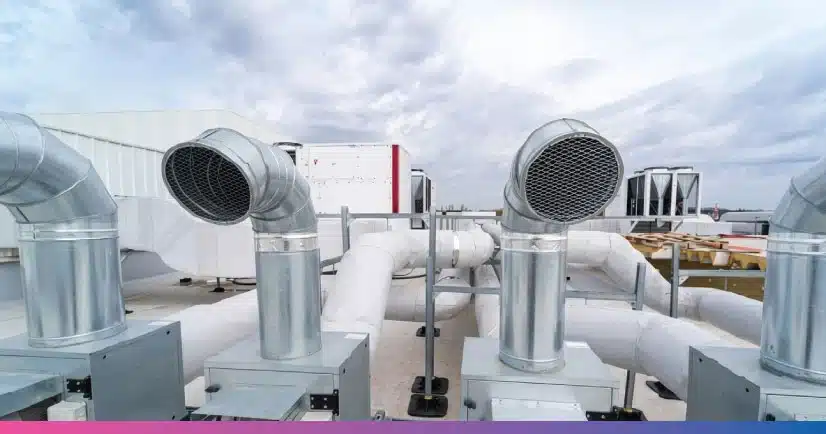
- Example: ML can analyze HVAC sensor data to predict when maintenance is required, preventing costly breakdowns.
Computer Vision
- Uses cameras, drones, and 3D scanners to compare as-built progress with BIM models.
- Detects construction errors early to avoid expensive rework.
- Monitors site safety by identifying hazards in real time.
- Example: AI-powered drones scanning a high-rise construction project can immediately flag deviations from design specifications.
Natural Language Processing (NLP)
- Extracts insights from unstructured data (emails, RFIs, change orders).
- Powers AI chatbots that help teams quickly retrieve project data.
- Enhances collaboration by summarizing meeting notes and design changes.
- Example: An NLP tool can automatically summarize contractor emails and update the BIM model with relevant instructions.
Generative Design
- AI runs thousands of design iterations based on project goals (cost, sustainability, aesthetics).
- Suggests the best design alternatives aligned with performance metrics.
- Accelerates sustainable design by optimizing orientation, material use, and energy performance.
- Example: In designing a hospital, generative design can optimize patient room layouts for both efficiency and comfort.
Transformative Use Cases of AI + BIM
- Design Optimization: AI algorithms test multiple design scenarios against energy efficiency, structural performance, and cost, helping architects make informed choices in real time.
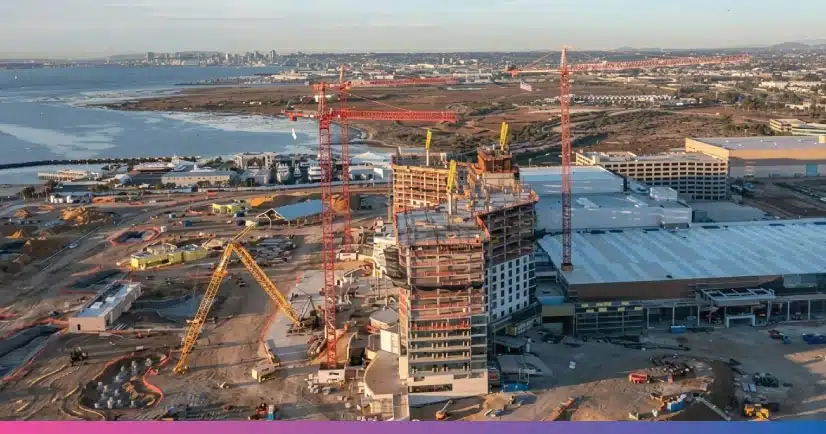
- Construction Site Monitoring: Drones + computer vision track progress and compare it with BIM schedules, identifying deviations instantly for better accountability.
- Cost Estimation: AI-enhanced BIM forecasts material costs, labor availability, and supply chain risks, providing more accurate and transparent budgets.
- Facility Management: Post-construction, AI + BIM models act as digital twins, enabling predictive maintenance, energy optimization, and improved occupant comfort.
Benefits of AI + BIM for Stakeholders
- Architects: Explore creative designs faster with generative tools.
- Engineers: Reduce design clashes and ensure structural accuracy.
- Contractors: Monitor sites in real time, minimize delays, and improve safety.
- Facility Managers: Leverage predictive analytics for maintenance and operations.
- Owners/Investors: Gain transparency, risk reduction, and better ROI.
Challenges in Adoption
- Software Interoperability: Many BIM tools don’t integrate smoothly with AI platforms.
- Data Quality: Incomplete or inaccurate BIM data can mislead AI predictions.
- Cybersecurity: With more cloud-based systems, project data is vulnerable to attacks.
- Cultural Resistance: Many professionals still rely on traditional methods and require training to embrace AI.
Solution: Industry leaders must invest in training, data governance, and secure platforms to unlock AI’s true potential.
Future Trends: What’s Next for AI + BIM?
- Digital Twins: Live replicas of buildings connected to IoT sensors for real-time monitoring.
- Blockchain in Construction: Secure, transparent records of BIM updates and project transactions.
- AI-Driven Sustainability: Optimizing designs for LEED/BREEAM certifications.
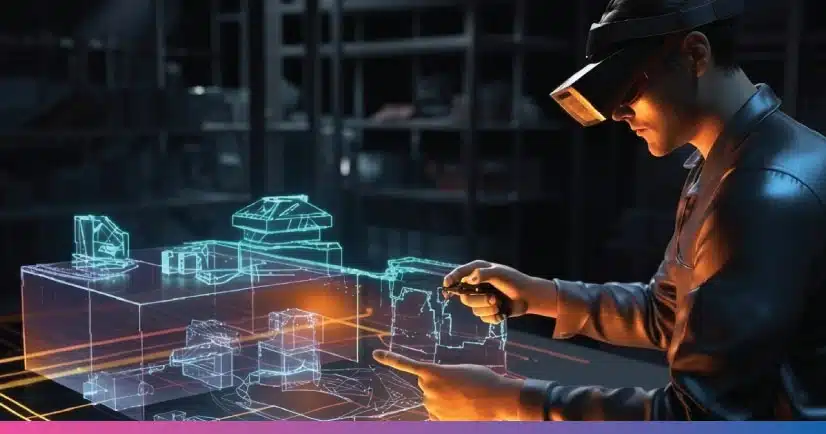
- AR/VR with AI: Immersive BIM walkthroughs enhanced with AI-powered simulations.
Real-World Applications
- Smart Cities: AI + BIM used for traffic flow, energy optimization, and urban planning.
- Infrastructure: Bridges and highways modeled with AI to predict long-term maintenance.
- High-Rise Buildings: Drones with AI vision improve quality checks at every construction stage.
Strategic Recommendations for Firms
- Audit Existing Systems: Assess BIM maturity and identify AI-ready workflows.
- Select the Right Technology Partners: Choose scalable, interoperable platforms.
- Invest in Training: Upskill teams to trust and use AI insights effectively.
- Prioritize Cybersecurity: Protect sensitive project data.
- Adopt Phased Implementation: Start with pilot projects before scaling.
Conclusion
The convergence of AI and BIM is not just a trend, it is the future of the AEC industry. By combining data-rich models with AI-driven insights, firms can achieve:
- Smarter designs
- Faster project delivery
- Lower costs
- Safer sites
- Sustainable buildings
The AEC industry is on the brink of a digital construction revolution. Those who embrace AI-enhanced BIM today will lead the way in designing the resilient, sustainable cities of tomorrow.