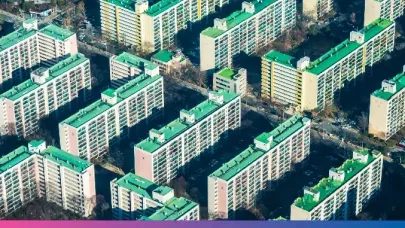
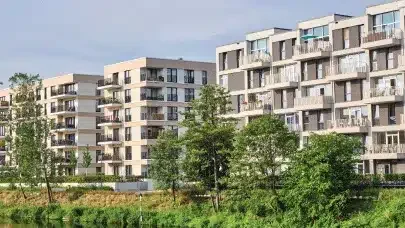
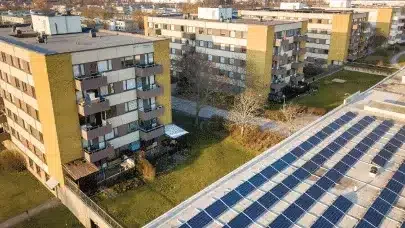
Multi-Family Residential Buildings (60 to 350 Units)
Project Description
This project involves full Mechanical, Electrical, and Plumbing engineering design services for multi-family residential developments, ranging from 60 to 350 residential units per site. Each project is designed from the ground up, with close coordination across disciplines to support new construction of mid-rise and low-rise buildings. Designs are tailored to meet California’s stringent building and energy codes, with deliverables aimed at securing plan check approval and supporting construction documentation.
Mechanical Engineering Scope
- Load Calculations & System Sizing: Perform heating and cooling load calculations and size HVAC systems using Carrier HAP or equivalent tools.
- Ventilation Design: Calculate required ventilation rates and select appropriate systems for compliance with California Mechanical Code.
- Exhaust & Outside Air Routing: Evaluate locations for exhaust and fresh air terminations and integrate them into site and roof plans.
- Unit-Level HVAC Layouts:
- Design unit HVAC layouts including placement of access panels and coordination with interior finishes.
- Determine soffit requirements and coordinate duct routing within joist spaces or structural zones.
- System Coordination:
- Coordinate intake/exhaust air and HVAC routing with the architect and structural engineer.
- Integrate HVAC design with rated shaft systems as required for fire and code compliance.
- Common Areas & Garage Systems:
- Design HVAC for corridors, lobbies, fitness rooms, and other shared spaces.
- Provide ventilation design for parking garages including CO/NO₂ sensors, controls, and fan sizing.
- Specialty Exhaust Systems:
- Dryer vent design with booster fan sizing and routing.
- Kitchen range hood exhaust layout and compliance with applicable codes.
- Controls: Specify HVAC control systems for unit and common area equipment, including programmable thermostats and central building controls where applicable.
- Energy Compliance:
- Provide Title 24 documentation and calculations using EnergyPro.
- Incorporate mechanical solar readiness or solar thermal systems where required by code.
Electrical Engineering Scope
- Utility Coordination:
- Coordinate with dry utility provider (PG&E or equivalent) for primary service routing and transformer sizing.
- Determine service entrance requirements.
- Load Calculations & Single Line Diagrams:
- Perform full electrical load calculations for residential units and common areas.
- Develop and maintain a complete single-line diagram reflecting system distribution.
- Electrical Room Planning: Size and locate electrical rooms, coordinate access requirements and clearances with the architectural team.
- Unit Electrical Layouts:
- Design in-unit power and lighting plans.
- Coordinate receptacle locations, GFCI requirements, and circuiting.
- Common Area Power & Lighting:
- Layout lighting and power distribution for corridors, amenity spaces, and exterior areas.
- Provide emergency lighting systems with battery backup or generator feeds.
- Photometric Calculations:
- Perform lighting level calculations for normal and emergency egress per code.
- Ensure exterior lighting meets local zoning and energy standards.
- Rough-in Planning:
- Provide rough-in plans for power and structured data systems (e.g., telecom, internet, cable).
Plumbing Engineering Scope
- Utility Coordination:
- Coordinate with water, sewer, and gas utility providers for points of connection (POC) and pipe size requirements.
- Fixture Unit (FU) Calculations: Perform FU-based sizing for domestic cold and hot water, sanitary, and gas systems in compliance with the California Plumbing Code.
- Riser Location Planning:
- Coordinate riser locations and chases with architects and structural teams.
- Integrate riser pathways into overall building plans.
- Water Heater Design:
- Size and select appropriate water heating systems (central or unitized) based on demand and fuel source.
- Ensure compliance with Title 24 and local efficiency standards.
- Unit Plumbing Design: Provide detailed plumbing layouts for each unit including cold/hot water, sanitary waste, and vent systems.
- Drainage Systems:
- Design stormwater drainage for roofs and balconies.
- Provide internal and external piping layouts based on site topography.
- Natural Gas Systems: Design gas piping systems, including pressure drop calculations, for all appliances and equipment.
- Riser Diagrams: Deliver complete riser diagrams for water supply, sanitary, and gas systems.
- Schedules & Specifications: Provide plumbing fixture schedules, system details, material specifications, and installation notes.